

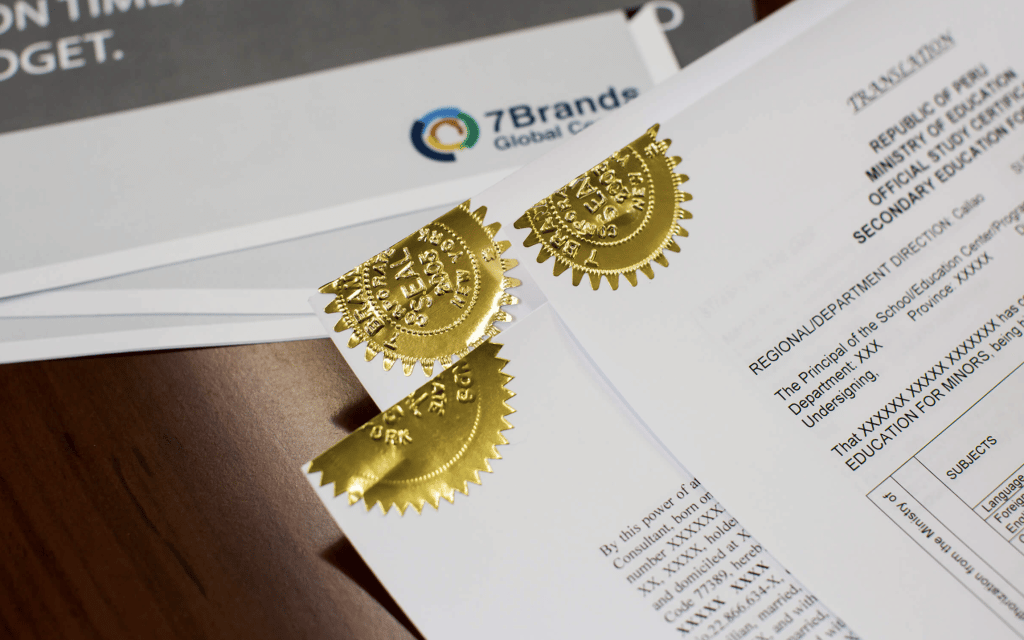
Translations are an essential part of the business world, and it’s important to be able to trust that they’re accurate and true to the original text. With certified translations, you can ensure your translations accurately reflect your intentions and the meaning of your original document. Here’s what you need to know about certified translations and how they can benefit your business.
What is a certified translation?
A certified translation is a document that has been translated by a professional translator and reviewed by a second professional translator. The certification guarantees that the translation is accurate and complete. Certified translations are often required for legal documents, such as birth certificates, marriage certificates, and divorce decrees. They can also be used for academic purposes, such as transcripts and diplomas.
What are the benefits of using a certified translation?
A certified translation is a document that has been translated by a professional translator and then reviewed and signed by the translator to attest to the accuracy of the translation. This type of translation is often required for legal or official purposes. Professional translators who work in this field have expertise in both the language from which they are translating and the language into which they are translating. The translators will also have their qualifications verified so that you can be confident that your documents will be translated accurately and without mistakes. They will use terminology and phrases appropriate to the country being translated into. The benefit of this type of translation is that it ensures the translation is completed to the best of the translator’s ability and is 100% accurate and correct. It ensures that government entities and officials will accept your certified translation without a problem.
Why Would I Need a Certified Translation?
You may need a certified translation for several reasons – whether you’re applying for a visa, opening a bank account, or registering a business. A certified translation is simply a document that has been translated by a professional translator and then stamped or signed by the translator or agency to certify that the translation is accurate. This certification can help to ensure that your documents will be accepted by the authorities.
How Do I Choose a Certified Translator for My Project?
When you need a document translated, you want to be sure that the final product is accurate and true to the original. A certified translation is a translation that has been done by a professional translator who has been approved by a government body or another organization. This type of translation is often required for legal documents or other important papers. But how do you choose a certified translator for your project? Here are a few things to keep in mind:
1. Make sure the translator is certified by a reputable organization.
2. Ask about their experience translating different types of texts (business, medical, etc.).
3. Consider what language combination is needed (English-to-Spanish vs. English-to-French, etc.).
4. Compare prices between translators—some may charge more than others, but this does not always mean they are better than the cheaper options! Often, translations are overpriced.
5. Ask for any additional or hidden costs that may come your way. Some agencies will charge extra for certain deadlines, so be sure to be clear about your needs.