

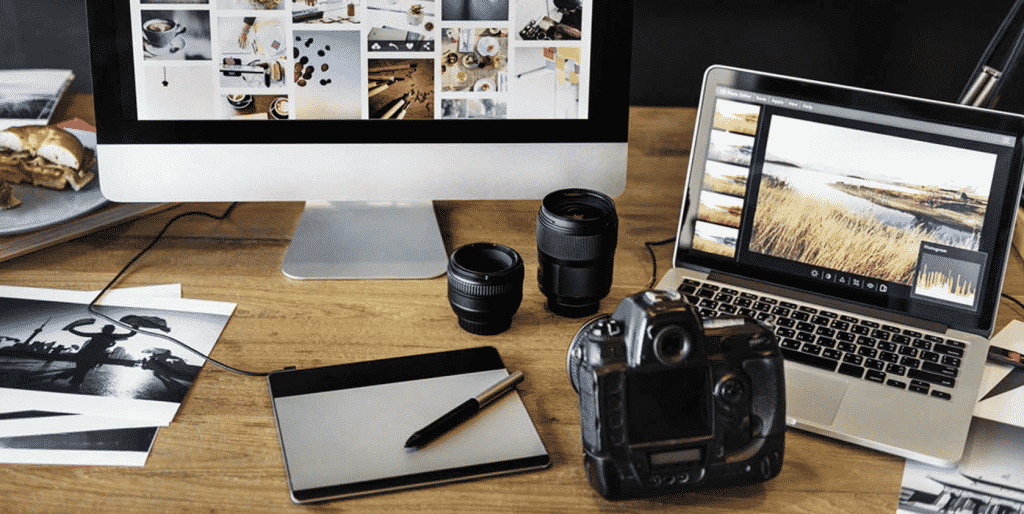
Even at the dawn of the development of photographic art, post-processing played an important role and had a significant influence in creating a photographic masterpiece. Many photographers have mastered the art of processing, which is evident in their photographs.
Initially, processing was reduced, as a rule, to lightening and darkening, limiting the amount of light that falls on the desired area in the image (burning). Light fell on a certain part of the image, while the rest of the image was protected from light. Also, filters were used to get the contrast. Its material ranged from plastic to paper.
In short, this requires additional skills and simply taking a picture of a good scene isn’t enough, which is still relevant even in our digital Photoshop age. In this article, we’re going to focus on the value of image processing, as well as what should be expected of it and what’s not.
To start, let’s ask ourselves: why do we process photos?
Unlike film cameras, whose use required some processing under special photo lab conditions (in a dark room), modern digital cameras produce well-balanced photos right in the camera. Image quality will vary depending on the brand of camera. But we do have the ability to create eye-catching images even without additional software editing for the images, if you shoot in the right light and use the camera settings.
It depends on the photographer/artist’s individual vision, which determines what has to be achieved beyond the already balanced image.
There are two directions in which you can change photos by processing :
1. Create a photo as realistic as possible.
2. Dramatize the image, making it unreal.
You can choose one of these two directions or something in between, but make sure you’re processing the photo in a meaningful way, and not just for the sake of processing. Sometimes people process an image for hours to get a great result, and it turns out that things can reach perfection within minutes. To get started, the artist needs to figure out the needs of the image and then adjust the Photoshop sliders.
What you need for Photo Processing:
• If you present the image you want to achieve before you start processing the image, you can reduce the processing time.
• Render the image before opening Photoshop.
• Taking a picture is only half the battle, and the next step is to present the image with new power and depth through processing.
Be creative. The processing itself is an art that cannot be copied. Naturally, you should familiarize yourself with Photoshop tools, other special tools like background remover, and acquire skills using editorial programs. But the artist must be awakened in you so that you can start using these tools for a specific purpose.
What can’t be done when Processing Images:
• Do not try to imitate the processing style of others. Yes, once in a while it might work fine, but your style may not satisfy your photos.
• Do not attempt to save frames that fail with processing.
• Make sure that processing does not change the essence of your original image. As you know, everything must be moderated.
• Due to the availability of advanced editorial programs available today, do not allow them to replace the art of photography.
Conclusion
• When processing photos, you can do wonders. But always keep a delicate balance, as processing should help the photo, make it more interesting, not the other way around.
• And finally, people should enjoy photos, not processing. Editing an image is not something the photographer is usually proud of.