

For many years, there has been some speculation over the safety of using absorbent pads. Certain groups have time and again expressed unease over their use, especially in direct contact with foods like meat. The belief that the meat absorbent pad could potentially be toxic has had the effect of needlessly worrying some consumers and food industry stakeholders.
However, upon examining the issue more closely through scientific research and by referring to regulatory compliance standards, it becomes abundantly clear that such worries are entirely unfounded. Extensive research and testing over the past few decades have confirmed that when correctly used as designed, quality meat absorbent pads are completely non-poisonous and do not pose health risks.
Meat Absorbent Pads: Overview and Purpose
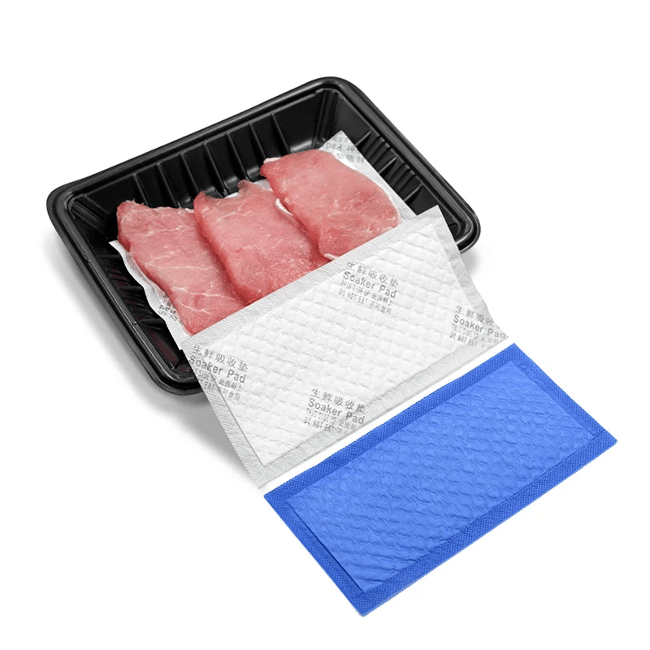
A meat absorbent pad is commonly used in food packaging to absorb moisture from meat cuts. Its main purpose is to prevent meat from becoming soggy during storage and transport. It does so by soaking up excess fluids. These pads are typically made from either cellulose fibers or other food-grade polymers. They are formulated to attract and retain liquids without affecting the quality or safety of the packed food product.
Cellulose is widely used for the meat absorbent pad. It can be synthesized into highly absorbent hydrogels. Its hydroxyl groups are responsible for the high water absorbency and easily trap moisture inside without releasing it back.
Plastic-based absorbent pad is another common option for wicking moisture from meat. These are manufactured using various food-compliant resins molded into a thick, porous pad design optimized to absorb fluids quickly.
Whether cellulose or polymeric, the ideal meat absorbent pad construction is a soft, pliable texture that easily conforms to cut meat surfaces without damaging packaging integrity. Absorbent meat pad solutions help maintain meat freshness and prevent spoilage or premature browning. They help support extended product shelf life, quality, and appeal through the packaging lifecycle.
The Non-Toxic Nature of Meat Absorbent Pads
Many scientific findings confirm that meat absorbent pad solutions used correctly pose no risk to consumers. For example, researchers at the University of Cordoba studied natural fiber-based pads made from components such as chitosan and nanocellulose. Their work, published in Polymers, showed pads absorbed meat juices for up to ten days of storage while not compromising safety. Additionally, no hazardous chemicals leached from the pads into the packed meat.
Strict standards set by organizations like BRCGS mandate that all food contact packaging materials undergo assessment and approval as non-toxic before use. Pads universally comply through a certification process verifying ingredients as food-safe. Failure to meet certification bars a meat soaker pad from being used in food packaging. These certifications, coupled with university findings, reinforce that the absorbent pads present no chance of contamination to packed foods or those who consume them, as long as pads fulfill their intended purpose.
Make Sure to Choose Absorbent Pads from Reputed Brands
Selecting absorbent pads from a reputable manufacturer is key for ensuring product reliability and safety in meat packaging applications. Trustworthy brands invest heavily in developing absorbent manufacturing alongside strict quality controls. Demi is one such established leader in the meat absorbent pad industry.
Demi has years of experience specializing in super absorbent polymers and related food packaging solutions. Food professionals can rely on Demi’s industry-leading certification, production certifications, and proven performance record for absorbent products that meet both functionality and safety needs. Key advantages of the brand include:
Product Certificates
Demi products are certified under BRCGS and ISO standards, demonstrating compliance with global food safety and quality management requirements. Accreditations like IAF certification also approve the brand’s manufacturing procedures, materials handling, and end-product testing.
Production Capabilities
80 modern production lines outfitted with the latest manufacturing technologies allow Demi to replicate the highest production standards at scale. Strict material handling protocols govern meat absorbent pad production from incoming ingredients to finished goods packaging and shipping.
Industrial Experience
Over 20 years of extensive R&D and customization for worldwide food industries lend Demi strong expertise in absorbent technology and formulation. This experience ensures pads are optimized perfectly for intended packing and market applications.
Conclusion
Overall, the historical belief that meat absorbent pad solutions may be poisonous is unfounded. The certification requirements and non-toxic nature demonstrated by scientific evidence and research disprove this belief. Manufacturers like Demi produce pads using approved, non-hazardous materials. Demi’s extensive product testing and certifications prove that its pads can be used safely as part of high-quality packaging programs. Food industry professionals can feel confident sourcing from Demi for absorbent pads that protect products and enhance food safety. Visit Demi’s website for more information.