

Evolution in technology is facilitating us with an excellent and useful invention for different purposes in daily life. The energy crisis always demands the best and efficient source for energy storage and energy conversion. Batteries are the electrochemical process by which energy is stored in terms of charging, and after some time, the discharging process occurs.
Why are Lithium-Ion batteries being used nowadays?
Lithium-ion batteries are considered the most efficient source for energy storage nowadays. The energy storage efficiency makes it the most prominent batteries having more durability, charging capability, and voltage handling capability.
Lithium-ion batteries are being used in almost every electronic device like telecommunication and data center devices for backup and data storage. The working and storage capability is related to voltage handling. The high voltage batteries require more efficiency of charging and discharging; therefore, Lithium-ion batteries are being used due to its high voltage efficiency.
Specifications:
There are many advantages of using 48V Lithium-ion battery than other convention batteries such as:
- Low weight
- High density
- Capability for High voltage
- Higher efficiency rate for Charging and Discharging
- More durability
- Small in size
- High stability for temperature
- High energy storage capability
- Environmental-friendly
Applications of Lithium-Ion Batteries
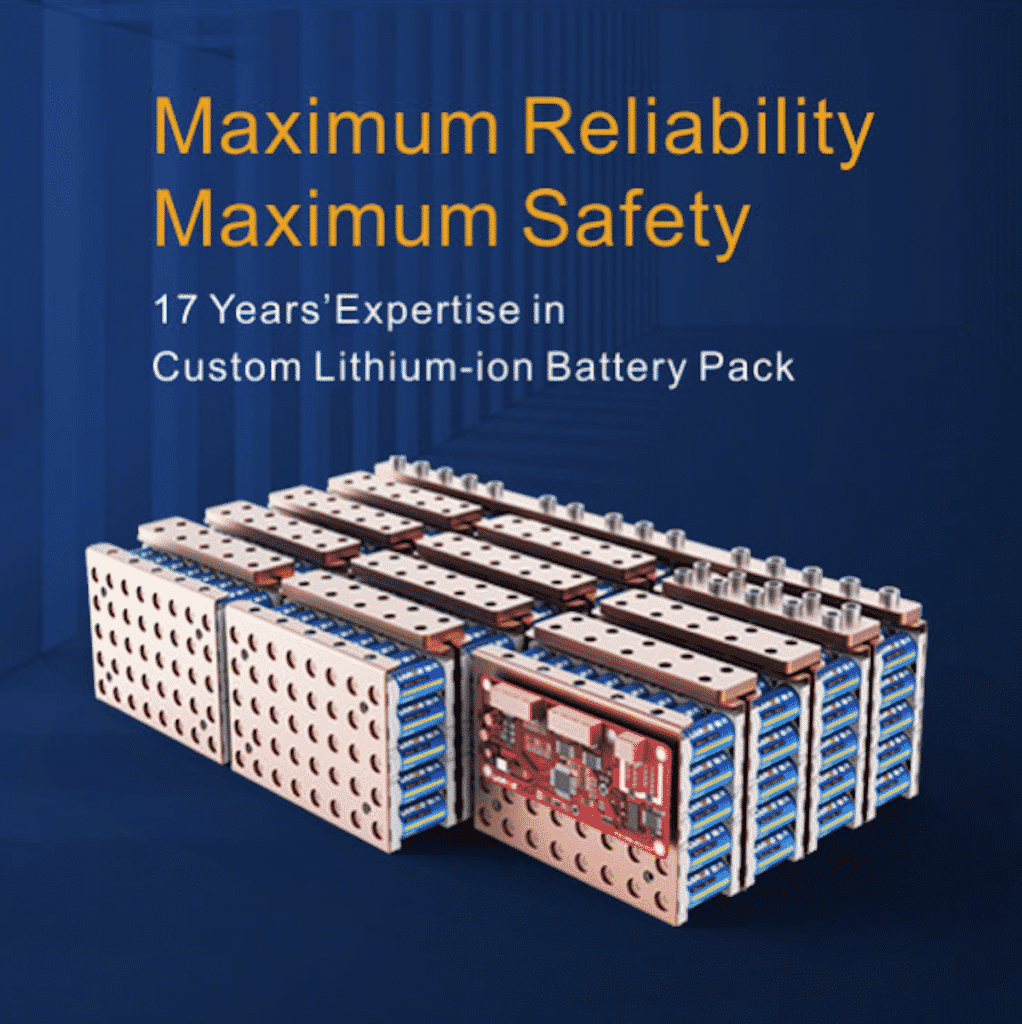
Each technology sector is using Lithium-Ion battery due to its high energy storage and conversion rate. 48V lithium-ion batteries are more specifically used for its high voltage capacity and extended life services. The small cells of lithium-ion batteries are connected to make 48V Lithium-ion batteries for high voltage.
The compact and dense package of 48V Lithium-ion batteries is prominent for saving cost, space, and weight. There are many applications of 48V Lithium-ion batteries, and these batteries are for monitoring and string energy in the telecommunication department and data-backup center. These are used for:
- As a backup-batteries
- Medical electronic equipment
- Robotic devices
- Electronic Storage devices
- Security Inspection
- Financial backup systems
- Detection equipment
- Communication Devices
Is there a need to check 48V lithium Ion batteries?
As the demand for Lithium-ion batteries is increasing day by day, there must be a system to check and analyze 48V Lithium-ion batteries. Several methods are being introduced to check the capability and efficiency of 48V Lithium-ion batteries, like measuring internal resistance and mobility of ion flow between electrodes.
The mobility of ion flow describes the voltage capability and efficiency of the 48V Lithium-ion battery. Therefore, you can quickly check by measuring the voltage by using a voltmeter.
Why are Lithium-Ion batteries more preferable than Lead storage batteries?
Lead storage batteries are being used for several years, but their efficiency is low compared to Lithium-ion batteries. Lithium-ion batteries are more efficient in terms of storing energy for a long time. The wastage rate for power is shallow than lead storage batteries. There is some comparison between Lithium-ion batteries and lead storage batteries such as:
Energy Storing Capability
Lithium-ion batteries store five times more energy than lead storage batteries. The energy storing property makes it more prominent in the tech sector.
Life Cycle
Lithium-ion batteries have a long life cycle in storing energy, and these batteries have a long life span than lead storage batteries.
Environmental Friendly
Lithium-ion batteries are more environmentally friendly than lead-storage batteries, and their contribution to spreading pollution is meager than other conventional batteries.